Entry · Ref GY45MEEW
ADA Mobile Toilet Requirements for General Portable Toilet Rentals
- Posted
- 2026-10-03
- Last amended
- 2026-10-03
- Account
- @johnnysmzk603
When a person leas portable bathrooms for a wedding celebration, a road fair, a church picnic, a region concert, or a temporary jobsite available to the general public, accessibility is not a side concern. It belongs to whether individuals can go to comfortably, safely, and with dignity. That point gets shed surprisingly frequently, typically not out of poor intent, yet because organizers think a basic mobile toilet lineup is good enough if they add sufficient systems in general. It is not.
For general mobile commode leasings in the USA, the controlling government access requirement is the 2010 ADA Specifications for Accessible Design, as analyzed by the united state Accessibility Board and the Department of Justice. That issues due to the fact that a great deal of confusion still floats around the rental market. People listen to terms like ada mobile commode, ada certified mobile commode, ada accessible portable restroom, or ada compliant accessible portable restrooms and think the tag alone resolves the question. It does not. The requirement is what matters, and the practical configuration on website issues equally as long as the unit itself.
I have seen this play out in ordinary circumstances. A rental firm delivers one larger system and every person relaxes, thinking the ease of access box has actually been examined. After that the system obtains positioned at the much side of a muddy field, behind an aesthetic, or with no functional technique for a mobility device individual. Theoretically, an easily accessible device was leased. In reality, gain access to was still rejected. That gap in between getting the ideal devices and developing real access is where lots of preventable troubles begin.
What the ADA requires for general portable bathroom rentals
For collections of portable single-user bathroom devices, at least 5 percent of the units in each cluster need to be accessible. The Accessibility Board has actually made clear that this uses even at short-lived events. That solitary policy solutions one of one of the most common questions event organizers ask: if you are grouping mobile bathrooms together, you do not choose accessibility system by system based upon uncertainty or participation presumptions. You look at the collection and ensure at least 5 percent of that cluster is accessible.
That requirement is straightforward in principle, but individuals still stumble over words "cluster." In technique, this implies you can not treat access as optional even if the arrangement is temporary, outdoors, or only in place for a weekend break. Short-lived does not suggest exempt. A public-facing portable commode leasing arrangement still has to represent obtainable use.
There is one vital distinction worth specifying meticulously. The ADA standards distinguish mobile bathroom devices at building sites that are utilized solely by building and construction personnel. Those are treated in different ways under the older 1991 conventional language referenced in the verified context. However this write-up is about general mobile toilet rentals, not that narrow construction-only situation. For general services, the accessible-unit need remains.
That distinction issues because some individuals obtain language from building and construction techniques and use it too broadly. A celebration, charity run, household get-together at a park, or area occasion is not the same as a mobile system scheduled only for building personnel. If the service is for basic use, availability belongs to the requirement.
"Accessible" implies greater than a bigger box
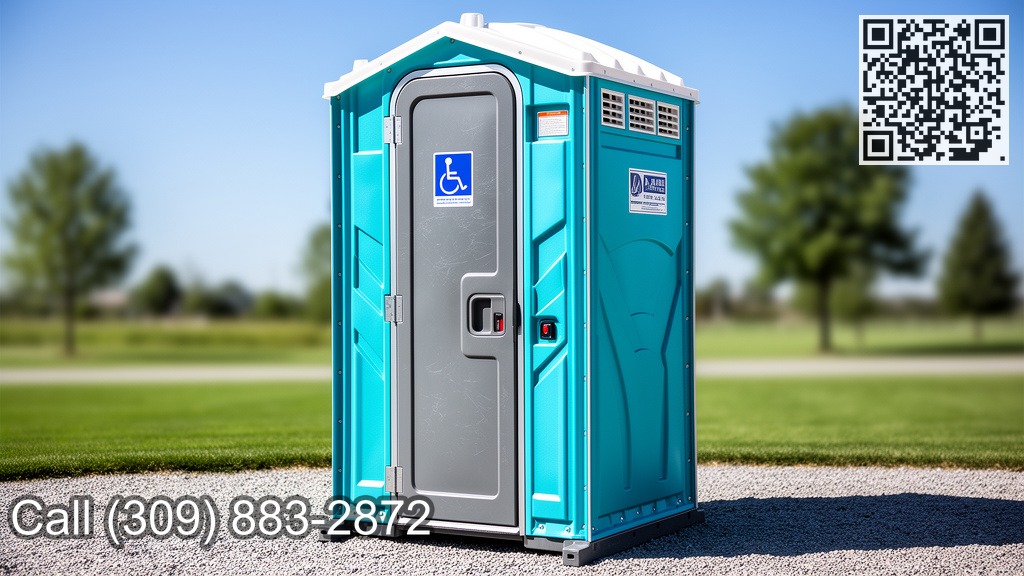
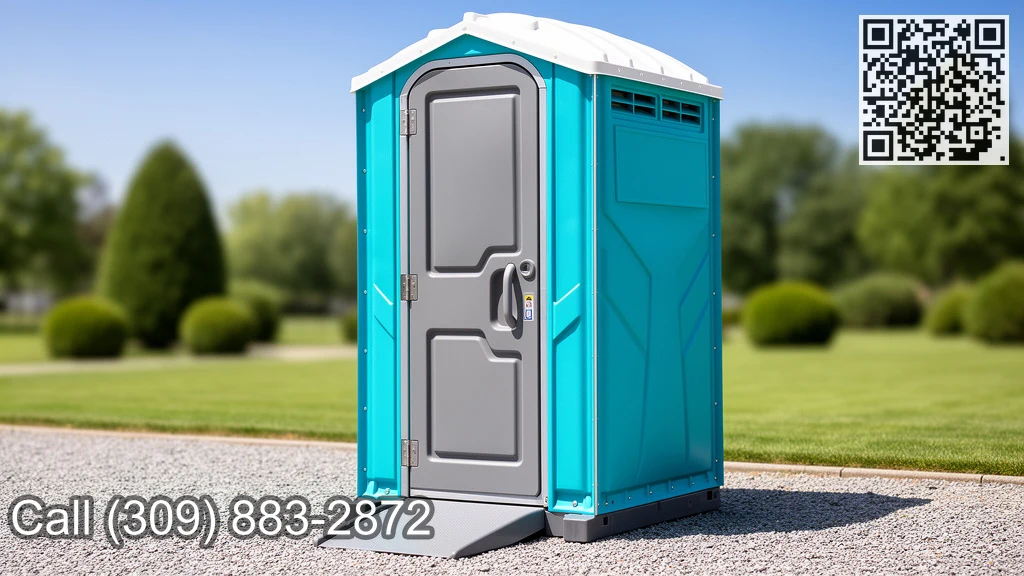
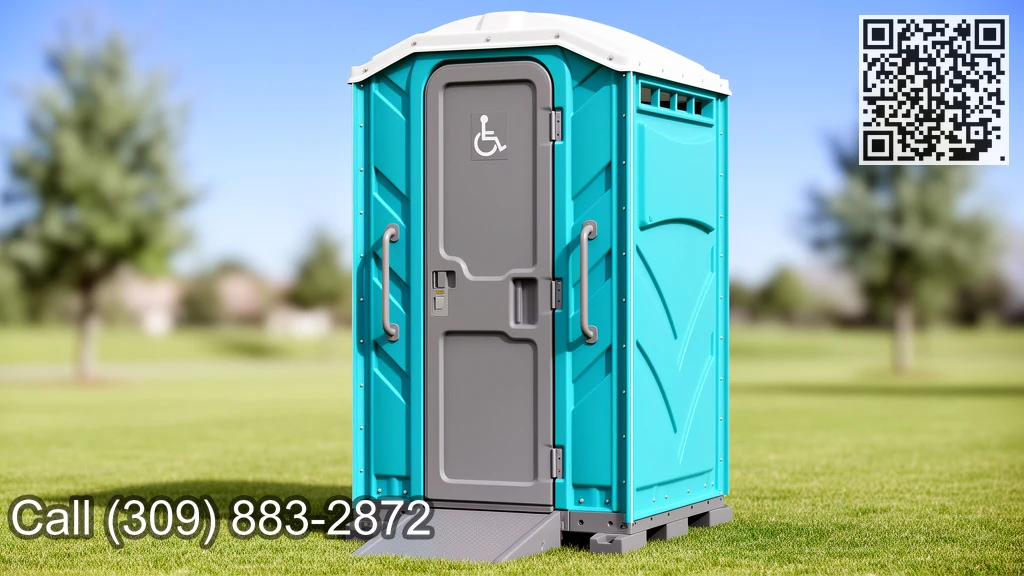
A real ada compliant mobile restroom is not merely a roomy unit with a wider feeling. The ADA requirements require greater than additional square footage. Portable obtainable devices must be understood the International Symbol of Access. They likewise must have an easily accessible course and entrance, and any needed ramps or landings need to abide by ADA technical requirements.
Inside the device, the technological demands for toilet spaces still use. That consists of component clearances, transforming room, door maneuvering clearances, and suitable grab bar and water closet clearance rules. This is where a great deal of unclear marketing language breaks down. A provider may market ada-compliant portable toilets or ada compliant mobile commodes, yet if the real configuration does not sustain entrance, turning, and usage under the ADA technical rules, the tag alone is not enough.
The sensible lesson is basic. Access is a system, not a sticker. The device, the entryway, the path to the entryway, and the indoor design all need to function together.
Why positioning is usually the actual problem
If there is one concern that creates much more trouble than getting the wrong system, it is positioning the best device in the wrong location.
An ada portable bathroom can be provided efficiently unusable by website problems. A couple of examples show up again and again. The device is established on unequal ground that shifts under wheels. The route to the system crosses soft yard, loosened crushed rock, or a lip that obstructs access. The cluster rests behind barriers with inadequate maneuvering area. The door opens up right into an awkward location without any practical method. The sign exists, but the experience is not accessible.
That is why the accessible route demand is entitled to more focus than it normally obtains. People understandably concentrate on the mobile commode itself due to the fact that it is the rented out item. However the course to it is just as vital. A person can not utilize an ada handicap obtainable mobile toilet if they can not reach the entry in the very first place.
This turns up at exterior occasions more frequently than many coordinators anticipate. An area that really feels "mostly level" when you walk it in completely dry shoes might be really various for a mobility device customer, someone using a walker, or a guest with restricted balance. Even small modifications in quality, soft ground, or inadequate transitions can make gain access to hard or impossible. The ADA's route and entryway requirements https://pristineportablesil.com/holding-tank-rental/ exist for a factor. They are not technical trivia. They reflect how people actually relocate with a site.
Temporary occasions still count
One of one of the most consistent misunderstandings is that the guidelines relax when an occasion is short-term. They do not. The Access Board's support makes clear that the 5 percent accessible requirement applies even at momentary events.
That point need to work out a dispute that appears every spring and summer season. A pop-up beer garden, a one-day arts market, a weekend break event, or a ceremony staging area may really feel casual, but if mobile single-user commode units are gathered there, access still has to become part of the strategy. "It's just for a day" is not a defense, and it is very little convenience to a guest who arrives and discovers no functional restroom.
The exact same principle applies to occasion range. Small occasions are not instantly excused. Huge events are not the only ones that need an ada mobile bathroom service approach. Also a moderate event can leave individuals out if access is dealt with as optional.
The signs item is easy to overlook
Accessible portable bathroom systems should be related to the International Symbol of Accessibility. This may seem like a small information compared with route and clearance demands, yet it matters in practice.
When signage is missing or uncertain, guests usually waste time looking, asking team, or opening doors that do not fulfill their needs. That is annoying for any individual, and for people managing discomfort, necessity, tiredness, or movement restrictions, it can transform a manageable outing right into a miserable one. Clear identification assists individuals locate the ideal unit rapidly and with much less stress.
It likewise helps personnel and volunteers direct guests appropriately. At busy events, front-line workers are usually addressing questions while juggling a lots various other jobs. If the available unit is properly noted and smartly placed, the entire communication comes to be smoother.
Counting devices correctly
The 5 percent rule appears mathematically straightforward, yet it still produces unpredictability because individuals desire a crisp one-size-fits-all formula for each situation. The core rule is the part we can mention with confidence from the validated context: a minimum of 5 percent of the units in each collection should be accessible.
The more useful takeaway is not to get clever with the math or the design. If you are organizing basic portable commode services, assume in terms of the actual clusters you are producing on the ground. If there are numerous separate financial institutions of devices throughout a website, access has to be thought about where individuals will genuinely need it. Treating one distant available system as if it serves every organizing well is typically where organizers drift away from the spirit and feature of the standard.
This is where empathy assists. Imagine going to an occasion with wheelchair limitations and being told the accessible option exists, yet it is throughout the location, past crowds, and down a course that is tough to navigate. Technically present is not the same as fairly usable.
Questions to resolve in the past delivery day
Most ease of access mistakes happen prior to the truck arrives. They begin in the preparation conversation, when no person asks sufficient follow-up concerns concerning where the devices will go and who will be making use of them.
A brief planning check can protect against most of the usual failures:
- Is the service for basic use as opposed to a construction-only usage limited exclusively to building personnel?
- Will each collection include a minimum of 5 percent available units?
- Is there an available course to the system's entrance?
- If ramps or landings are needed, will certainly they abide by ADA technological requirements?
- Will the obtainable device be clearly identified with the International Icon of Accessibility?
That is not an abstract compliance exercise. It is a useful handoff between organizer, site supervisor, and rental carrier. When those 5 inquiries are answered early, the chance of a last-minute scramble drops sharply.
What tenants need to ask suppliers, and what distributors must ask back
The best portable toilet rental conversations specify. If a client simply requests for "one handicap unit," there is a danger that every person leaves excessive unsaid. A far better discussion covers the nature of the event, whether the devices are gathered, where they will certainly be placed, and exactly how participants will certainly reach them.
For clients, this means requesting for greater than a broad promise of availability. Terms like ada compliant mobile washroom, ada-compliant portable toilet, or ada compliant portable toilets must cause functional inquiries. Will the system be significant appropriately? Does the site support an easily accessible route? Is there enough room for method and door maneuvering? Are the surrounding surfaces convenient? If extra features like ramps or landings are required, are they being planned in a manner that follow ADA requirements?
For distributors, the responsibility is not just to deliver inventory. It is to recognize whether the intended positioning will certainly threaten access. A trustworthy company recognizes that a truly functional ada mobile toilet relies on the website as long as the system. Also if last positioning decisions come from the coordinator or building supervisor, providers do every person a support when they ask hard concerns early instead of approving obscure guidelines and hoping for the best.
A few common mistakes that trigger trouble
These are the issues I see frequently as a whole portable bathroom preparation:
- Renting an available system but stopping working to offer an obtainable route to it.
- Treating a short-lived event as if access regulations do not apply.
- Assuming a larger device is instantly ADA compliant without examining the complete requirements.
- Forgetting clear identification with the International Icon of Accessibility.
- Concentrating available solution too far from where people in fact need it.
None of these mistakes are remarkable by themselves. That is precisely why they occur. They look tiny on a planning spreadsheet and huge in a visitor's lived experience.
The construction-site exemption, managed carefully
Because this topic creates complication, it is worth reviewing the building and construction point with treatment. The confirmed context keeps in mind a distinction for portable bathroom systems at building and construction sites utilized exclusively by building and construction personnel. That is a certain circumstance. It needs to not be extended into a blanket excuse for general rentals.
If the service circumstance is a public occasion, customer-facing business usage, neighborhood feature, or any various other general-use setup, the more secure and much more precise frame is to deal with the accessible-unit need as appropriate. A lot of organizers listen to "construction" and think any short-lived configuration shares the exact same therapy. It does not.
This is just one of those areas where a slim exemption can develop wide misunderstanding. When in doubt, categorize the real use truthfully. If the devices are for basic users, plan for access accordingly.
Compliance is occurring in a wider ADA environment
Accessibility preparation for mobile bathrooms does not exist alone. In 2026, the broader compliance environment remained to reveal energetic ADA focus throughout markets. One relevant instance is the Department of Justice guidance expanding the due date for state and local government internet and mobile accessibility rules to April 26, 2027 for larger entities. That advancement is not concerning mobile commodes directly, yet it shows something important: ADA conformity is not fading into the background. It continues to be a live area of duty and enforcement.
That more comprehensive context ought to encourage seriousness, not stress and anxiety. For most organizers and rental providers, the goal is not legal cinema. It is regular skills. If individuals are invited to an area, they ought to be able to make use of the bathroom there. That is a basic component of hospitality, access, and public accommodation.
Good accessibility preparation really feels average to the guest
The ideal easily accessible restroom arrangement hardly ever gets praise since it does not compel any individual to think of it. Guests show up, locate the appropriate device, take a trip a useful path, enter without a battle, and go on with their day. That level of smoothness is the point.
Poor planning, on the other hand, comes to be memorable fast. A guest needs to ask three staff members where the ada available mobile washroom is. The system is practically existing however obstructed by terrain. A family member has to hunt ahead in shame. Someone leaves earlier than prepared due to the fact that they can not count on the centers. Those stories travel, and they should. They disclose whether an event welcomed people in an actual feeling or only in the language of a flyer.
For organizers, this is not just a compliance issue. It is a count on problem. If attendees with impairments can not rely on restroom accessibility, they may be reluctant to return following year, and they might recommend others appropriately. The very same holds true for clients picking suppliers. Rental business that understand availability, ask good questions, and aid consumers avoid common errors become even more beneficial than business that simply go down systems and depart.
Practical judgment matters as long as the rulebook
The rulebook provides the structure. Real-world judgment makes it work.
An ada compliant portable commode put where individuals can actually reach it is better than a nominally compliant setup positioned carelessly. A tactical collection that makes up path, strategy, and identification offers visitors much much better than a hurried order put the night prior to an event. None of that alters the lawful criterion, yet it does reflect just how compliance prospers in the field.
That is why knowledgeable planners build availability right into the very first site walk, not the final cleanup checklist. They take a look at the ground problems, crowd flow, range from key activity areas, and whether the available option is absolutely integrated into the bathroom plan instead of tacked onto it.
When people make use of phrases like ada-compliant mobile toilets or ada mobile commode demands, they are typically searching for an item spec. What they truly need is a site-wide mindset. The device has to meet the relevant toilet-room technical requirements. The route should be accessible. The entry has to function. Ramps or touchdowns, when required, have to comply. The system has to be identified correctly. And the portion demand for every collection need to be respected.
That may seem like a great deal until you remember what is at stake. It is not documents for its very own sake. It is whether a person can attend the exact same event as everyone else and fulfill a standard human need without obstacles, pain, or dependence.
The standard every basic occupant need to remember
If you keep in mind just the fundamentals, keep in mind these. For general portable toilet leasings in the United States, the managing federal standard is the 2010 ADA Criteria for Accessible Layout. In clusters of portable single-user toilet systems, a minimum of 5 percent of the systems in each cluster need to be accessible, consisting of at short-term events. Obtainable systems should show the International Icon of Accessibility. They should be served by an easily accessible route and entry, with any required ramps or landings fulfilling ADA technical needs. And the systems must satisfy the suitable toilet-room technological guidelines, including clearances, transforming room, door steering clearances, and pertinent grab bar and water storage room clearance requirements.
Everything else is execution.
If you are renting out for a general audience, deal with access as part of the core order, not an add-on. Ask extra inquiries than really feel strictly needed. Stroll the path before the occasion starts. Consider the site through the eyes of a guest that can not step over visuals, push quickly through soft ground, or capture via a tight technique. That additional treatment is rarely complicated, and it makes a visible difference.
A well-planned ada mobile bathroom leasing does not simply satisfy a need. It makes the event more functional, a lot more inviting, and extra considerate for individuals who appear expecting to take part totally. That is a standard worth meeting every time.
 Ask ChatGPT
 Ask Grok
 Ask Perplexity
 Ask Claude
 Ask Google AI
 Ask You